Should Walnut Creek Buyers Get Their Own Inspection?
Should you get your own inspection if the seller already provided one?
Yes. In Walnut Creek, sellers often put a pre-listing home inspection and pest report in the disclosure package before you write an offer. It's a useful starting point, but the seller ordered it, it may be weeks old, and it wasn't written for your loan, your insurer, or your plans for the house. A buyer's inspection typically runs about $400 to $700 or more in the Bay Area, which is small next to a single roof, furnace, or foundation surprise.
By Michael Delehanty — Delehanty Group | DRE #01505346 | November 9, 2026
Here's a pattern I see all the time in this market. You find a house you like, and the listing's disclosure package already includes a home inspection report and a pest report. The sellers paid for them. And you start wondering whether you really need to spend another few hundred dollars to inspect the same house.
In the East Bay, sellers typically order inspections before they list, and buyers are expected to read those reports instead of starting from zero. That convention helps everyone, and it's one reason negotiated inspection periods in the Bay Area often run 7 to 10 days rather than the 17-day default in the California purchase agreement (per Bay Area agent guidance on the inspection contingency). A shorter window means your inspection has to be fast, focused, and ordered right away.
The timing makes this decision weightier right now. The average 30-year rate was 7.18% in Freddie Mac's November 5 survey, up from 6.22% a year ago. Redfin's September report has sellers outnumbering buyers by close to 63%, with 41 of 50 major metros tilting toward buyers, and Walnut Creek's September median sale price was $847,596 with homes taking about 33 days to sell. You have more leverage than you did two years ago. But a payment that's already stretched at 7.18% has very little room for a surprise $10,000 roof.
What the seller's report is good for, and where it stops
Read it first. A seller's report tells you what an inspector saw on a specific day, lets you price known issues into your offer before you're in contract, and often saves you from falling for a house that was never going to pass. California sellers also have to disclose known material facts, and that includes previously received inspection reports in their possession. Our guide to 2026 seller disclosures walks through the TDS and SPQ line by line.
Here's where it stops:
- It's a snapshot. If the report is six weeks old and the house has been through a few storms, a failed water heater, or a long vacancy, the report doesn't know. RISMedia points out that a report can go stale on a home that's been listed for months.
- The seller ordered it. The seller picked the inspector and the scope, and the report was written for the seller's purposes. Read the fine print on who the report is addressed to, and don't assume it's your inspector's job to protect your interests.
- Standard inspections leave things out. A general home inspection typically doesn't include testing for radon, termites and other wood-destroying pests, mold, asbestos, or lead paint, and it doesn't cover hidden or inaccessible areas (NerdWallet). Pest findings come in two kinds: Section 1 for active or visible damage, Section 2 for conditions that could lead to it.
- Inspectors miss different things. A second set of eyes catches what the first one skipped, and RISMedia notes the original inspector may simply have overlooked an issue.
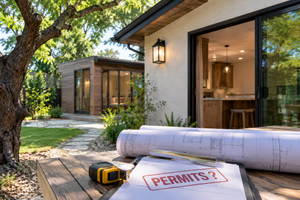
- A repair receipt isn't a guarantee. After 15 years running a contracting firm here in the East Bay, I can tell you that a completed repair and a good repair are not the same thing. Seller-arranged repairs can be rushed, partial, or done without permits.
What your own inspection costs versus what it can find
NerdWallet cites about $400 as the average home inspection cost, citing NAR. Zillow puts the typical range at $250 to $700, and Bay Area inspectors usually price at or above the top of national ranges. Budget $500 to $800 for a single-family home, then add targeted extras only where the seller's report or your own walk-through points to a problem. A sewer lateral camera scope can run from about $271 to $1,725, and a roof add-on is about $230 (HomeAdvisor figures).
Now compare that to what the common findings cost to fix, using Redfin's typical ranges:
- Roof issues: $5,868 to $13,216
- HVAC systems: $5,000 to $11,000
- Structural issues: $2,200 to $8,100
- Water damage: $1,500 to $9,000
- Dated electrical panels: $800 to $4,000
Spending $600 to confirm or rule out a $10,000 problem is the cheapest insurance in the whole transaction. And your inspection is only half the picture. California's FAIR Plan grew from 204,868 dwelling policies in fiscal 2020 to 621,234 in fiscal 2025, and roof age is one of the factors insurers weigh. Get insurance quotes during your contingency period, and don't remove the contingency until you know what you can get covered and what it costs. I covered that process in our East Bay home insurance guide.
How to use both reports without paying for the same inspection twice
- Read the seller's reports before you offer. Mark every item, every repair estimate, and every "monitor" note. Price what you can into your offer.
- Ask what was actually fixed. Request receipts, contractor names, and permits for any work the report mentions.
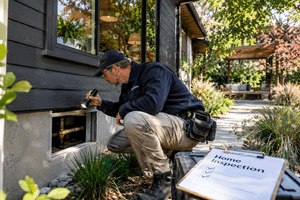
- Hire your own inspector as soon as you're in contract. Hand over the seller's report and ask for three things: confirm it, update it, and go beyond it, especially the roof, drainage, electrical panel, crawlspace or sub-area, and anything the seller's report flagged.
- Add specialists only where the findings point. Sewer lateral scope, roof, chimney, or a structural engineer if you see cracking or movement. Don't buy every add-on by default.
- Run insurance quotes in the same window. Your inspector's findings on roof age and electrical can change what carriers will offer.
- Decide in writing before your deadline. You can ask for repairs or a credit, cancel and recover your deposit, or proceed. A contingency doesn't expire on its own, so you remove it in writing, and the seller can send a Notice to Buyer to Perform if you don't.
What if you're in a multiple-offer situation and everyone is waiving inspections? Zillow reports 66% of mortgage buyers included an inspection contingency in their final offer in 2024, so you'd be in the majority by keeping one. My preference is to shorten the window or review the seller's reports in depth before offering, not to give up the right to look entirely. We break that tradeoff down in our multiple offers guide.
If you're on the other side of the table, our post on fixing up versus selling as-is explains why East Bay sellers order these reports in the first place.
Frequently Asked Questions
Do I have to get my own inspection if the seller already provided one?
No. California gives you the right to inspect during your contingency period, not an obligation. But skipping it means relying on a snapshot someone else ordered, so most buyers I work with still pay for their own, at least on the roof, drainage, and electrical.
Can I rely on the seller's inspection report?
Treat it as useful information, not a guarantee. California sellers must disclose known material facts, including prior inspection reports they hold, but that isn't the same as the inspector working for you. For questions about your legal recourse, talk to a real estate attorney.
How long do I have to inspect after my offer is accepted?
The California purchase agreement defaults to 17 days, but Bay Area deals often negotiate 7 to 10 days, particularly when the seller has already shared inspections and disclosures. Schedule your inspector right after acceptance, and remember you remove the contingency in writing.
How much does a buyer's home inspection cost in the East Bay?
NerdWallet cites about $400 as the national average, and Zillow's typical range is $250 to $700. Bay Area inspectors tend to price at or above the high end, and add-ons like a sewer lateral scope or roof evaluation cost extra.
Should I waive my inspection contingency to win a multiple-offer situation?
I'd rather see you shorten the contingency period or study the seller's reports before offering than waive your right to cancel. Waiving means you absorb whatever surfaces after the deal is firm, and in a market where Redfin shows sellers outnumbering buyers, you often don't need to.
Seller reports are a great head start. They're not a replacement for someone working for you. If you're trying to figure out what this means for your specific situation, I'm happy to walk you through it. Text or email me directly — (510) 697-3900 or michael@delehantyre.com — and we'll talk through the numbers. This is general information, not legal advice, so consult a California real estate attorney for questions about your rights under a specific contract.
About Michael Delehanty — Delehanty Group | DRE #01505346
Michael Delehanty is a Walnut Creek-based real estate agent with Compass, specializing in buying and selling homes across the East Bay — including Walnut Creek, Concord, Pleasant Hill, Danville, Orinda, and the surrounding communities.
Before becoming a real estate agent, Michael spent 15 years running his own contracting firm in the East Bay, working on thousands of homes and major projects across the Bay Area. That hands-on construction background gives his clients a distinct advantage: when Michael walks through a property, he sees what most agents simply can't. From structural details to renovation potential, his experience translates directly into sharper pricing, smarter negotiation, and fewer surprises at the inspection table.
Michael has been a licensed Realtor since 2005, bringing more than 20 years of experience to every transaction. He has successfully guided clients through complex situations including short sales, bank-owned properties, investment transactions, and competitive multiple-offer scenarios. Whether you are a first-time buyer, a move-up seller, or an investor, Michael brings the market knowledge and problem-solving skills to get deals done.
What sets Michael apart is his deep roots in this community. He has lived in Walnut Creek for nearly 30 years and is genuinely invested in the people here — not just the properties. He served four years as Auction Chair and Athletic Boosters President at Las Lomas High School, and has been a member of a local book club for eight years. His two daughters grew up here, attending Las Lomas before going on to the University of Washington and Cal Poly San Luis Obispo. When Michael helps you buy or sell a home in Walnut Creek or the surrounding East Bay communities, he is not just doing a transaction — he is working in the neighborhood where he has built his own life.
michael@delehantyre.com | (510) 697-3900 | michaeldelehanty.com