Should Bay Area Sellers Order a Pre-Listing Inspection?
Most homes are better served when Bay Area sellers order a general inspection before listing, even though California doesn't require one. The report moves repair, disclosure, and pricing questions to the front of the process, where you control them, instead of the middle of escrow, where the buyer does. Specialty inspections (pest, sewer, roof, electrical) make sense only when the property gives you a reason.
By Michael Delehanty — Delehanty Group | DRE #01505346 | November 12, 2026
Key Takeaways
- California does not require a seller to order a general pre-listing inspection, but you are still responsible for disclosing the conditions you know about.
- Homes sold in Walnut Creek over roughly the last 90 days (as of November 2026) went under contract in a median of 14 days, which leaves little room to sort out surprises after you list.
- A general inspection is a starting point, and pest, sewer lateral, roof, electrical, foundation, and drainage evaluations should be ordered only when the property or the report points to a concern.
- A pest inspection is not required in California just because a home is being sold, but you must deliver the report if your contract or the buyer's lender calls for one.
- A seller report does not replace the buyer's own inspection, so plan on both and price and prepare accordingly.
Do you have to get a pre-listing inspection in California?
No. California does not require a general inspection before you sell, but it does require the seller of most one-to-four-unit homes to give buyers a written disclosure statement. The California Department of Real Estate is clear that this disclosure is not an inspection or a warranty. It is your statement of what you know.
That distinction is the whole reason an inspection is worth considering. You can only disclose what you know, and most sellers don't know what's behind the walls, under the house, or in the main panel. The disclosure covers the physical condition of the property and potential hazards or defects, and a seller inspection gives you facts to work from instead of guesses.
What does an inspection catch that my agent's walkthrough doesn't?
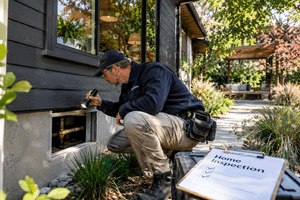
A professional inspector tests and documents conditions that an agent's visual walkthrough is not designed to diagnose. Listing agents in California do have their own duty to make a reasonably competent and diligent visual inspection and disclose material facts. The Department of Real Estate is equally clear that this is not a specialist inspection or a full building inspection.
Before I became an agent, I ran my own contracting firm in the East Bay for 15 years. I can spot a lot while walking a house, from patched stucco to a sagging deck to a panel that looks tired. But I always want sellers to at least consider a licensed inspector's eyes on the home before it comes to market. A second set of eyes with the right tools finds things neither of us will see.
What about the new electrical advisory?
For covered sales, Civil Code § 1102.6i has you or your agent give buyers an advisory that they may want a qualified professional to inspect the electrical system, including the main panel, subpanels, and wiring. It addresses fire risk, insurance difficulty, and capacity for things like solar or electric car charging. A building sold within three years of its certificate of occupancy is exempt.
If buyers are being told to look at your electrical system, you're better off knowing what they'll find before they do.
Which inspections should Bay Area sellers order beyond the general one?
Start with the general inspection, then add a specialty evaluation only when the home's age, construction, or the general report gives you a reason. When Bay Area sellers order every available inspection automatically, they spend money and create paperwork they don't need. The right plan is built around the property.
Older housing stock, hillside sites, drainage concerns, aging electrical, and private sewer laterals are the usual reasons a general inspector says "have a specialist look at this." Here is how the main types differ.
| Inspection | What it looks at | When it makes sense |
|---|---|---|
| General home inspection | Accessible structure, roof surfaces, plumbing, electrical, heating, and other building components | Almost any home, as the starting point |
| Structural pest | Wood-destroying organisms and related damage, done by a registered pest control company | Signs of moisture, wood damage, or when your contract or the buyer's lender calls for a report |
| Sewer lateral | Camera review of the private line from the house to the connection | Older homes, mature trees near the line, slow drains, or where local rules place responsibility on the owner |
| Roof | Condition, remaining life, and problem areas a general inspector can't fully assess | Older or visibly worn roofs, hard-to-see areas, or insurability concerns |
| Electrical | Main panel, subpanels, and wiring | Older wiring, a panel that looks dated, or plans for solar, heating, or charging upgrades |
| Foundation, drainage, chimney, mold, geotechnical, HVAC | Specific systems or site conditions, by a qualified specialist | When the general inspector flags a concern or the home's age and site call for it |
Do I need a pest inspection before listing?
Not by law. California does not require a pest inspection solely because a residential property is being sold. If your purchase contract or the buyer's lender requires a pest report or certification, the seller or the seller's agent must deliver the documentation before title transfers.
In practice, many East Bay transactions end up with a pest report anyway, so ordering one early on an older home often just moves a predictable step forward.
Do I need a sewer or roof inspection?
Only if the home gives you a reason. A camera look at the sewer lateral is worth it when the house is older, the trees are large, or drains have been slow. Some local jurisdictions and transactions place responsibility for the lateral on the owner, so ask me what applies in your city before you decide.
A roof evaluation is worth it when the roof is old, visibly worn, or likely to raise insurance questions. A general inspector will comment on the roof from accessible areas. A roofer can tell you what it needs and what it will take to address it.
What do you do once the report comes back?
Sort every finding into one of three groups: safety or habitability issues, items buyers are likely to ask you to fix, and cosmetic items. Then decide with me what to repair, what to disclose and price around, and what to leave alone. You are not required to fix everything an inspector lists.
Do I have to fix what the inspector finds?
No. A report describes conditions, limitations, and recommendations. It is not a pass or fail certificate. What changes after you receive it is what you know, and that affects your disclosure. California's Civil Code § 1102 sets the timing for delivering the completed disclosure statement, and the content should reflect the material facts you now have.
Sellers sometimes worry that an inspection "creates problems." The problems were already there. The inspection just means you hear about them first, with time to repair, get quotes, or adjust your price.
How do I decide what to repair?
Fix the items that affect safety, insurability, or a buyer's willingness to write an offer. Be careful with cosmetic work, because it rarely pays back what it costs. I'll help you decide which repairs make sense for your home and which are better handled through pricing.
Keep invoices, permits, warranties, and reports together in one folder. If the inspection turns up work that was done without permits, that is its own conversation, and I cover it in my post on selling a home with unpermitted work in Walnut Creek.
Will buyers still order their own inspection?
Yes, expect it. A seller report does not eliminate a buyer's inspection rights or replace their due diligence, and most buyers want their own inspector to look at the home. The difference is that fewer findings will be new to you. I explain the buyer's side in why Walnut Creek buyers should still get their own inspection.
Ask your inspector about inaccessible areas and the limits of what they can test. Never present the report as a promise that the home is free of defects. It is a snapshot of what was visible on that day.
When should you order it, and what will it cost?
Order the general inspection before photography, launch, and final pricing decisions, so the results can shape all three. If you wait until after offers arrive, you lose the chance to handle predictable questions before negotiations begin. If you do it far too early, conditions may change by the time you list.
Speed matters in this market. Recent local market data shows that Walnut Creek homes sold over roughly the last 90 days went under contract in a median of 14 days. Right now there are 240 homes for sale and 94 new listings from the last 30 days, against 303 homes sold in the last 90 days. When homes move that quickly, you want your surprises resolved before the listing goes live, not during the first week of escrow. A buyer who discovers a problem mid-escrow can renegotiate or walk, which I cover in what Walnut Creek sellers do when a buyer cancels.
Prices vary widely across the East Bay, and so does what's worth spending on a home before you sell. These are area-level medians. Your own home's value depends on condition, street, build year, and timing.
| Area | Median Sale Price |
|---|---|
| Walnut Creek | $970,000 |
| Concord | $715,000 |
| Pleasant Hill | $901,000 |
| Danville | $1,861,500 |
| Orinda | $1,686,000 |
What does a seller inspection cost?
The fee depends on the size and age of the home, the scope you ask for, and the firm you hire. Each specialty inspection (pest, sewer, roof, electrical, foundation) is priced separately from the general inspection. I'd rather have you get quotes from a couple of well-regarded local firms than give you a number from a blog post that may not fit your house.
Before you hire anyone, confirm the scope, exclusions, report format, insurance, and their experience with homes of your age and style. When Bay Area sellers order an inspection from someone who knows the local housing stock, the report is more useful and more credible to buyers.
Curious how this plays out for your home? You can read what my clients say on Google and Zillow.
FAQ
Should I get a home inspection before listing my Bay Area house?
For most homes, yes, at least a general inspection. It gives you accurate information for your disclosures, shows you which repairs are worth making, and lets you price with the home's condition in mind. If the house is newer and in clean condition, the case is weaker, and we can talk through it.
Is a pre-listing inspection required in California?
No, it is not required. California requires sellers of covered residential property to provide a written disclosure of known conditions, and the Department of Real Estate notes that this is not an inspection or warranty. An inspection is optional, but it helps you know what to disclose.
If a pre-listing inspection finds problems, do I have to fix them?
No. You can repair an item, disclose it and adjust your price, or leave it for the buyer to evaluate. The right call depends on the cost of the fix, the effect on buyers' willingness to offer, and your timeline. I'll help you sort the findings before you decide.
Will a seller inspection create more disclosure problems?
It makes you aware of conditions you may need to disclose, but it doesn't create the conditions. Problems you didn't know about are still problems buyers will find. Knowing them first lets you handle them on your terms, and the timing and content of your disclosure are governed by Civil Code § 1102.
Do Bay Area sellers need a sewer inspection, roof inspection, or pest inspection?
Not automatically. Pest inspections are not required by law solely because of a sale, but a contract or lender may call for one, as the Department of Real Estate explains. Sewer and roof evaluations make the most sense for older homes, visible wear, or a general inspector's recommendation. Electrical is worth a look if the panel or wiring is dated, given the electrical advisory buyers now receive.
The bottom line on seller inspections
You'll hear about your home's condition either way. The only question is whether you hear it from your inspector, with time to act, or from a buyer's inspector, with a deadline running. I help my clients decide which inspections fit their home, how to read the findings, and what to do with them before we list.
If you're thinking of selling, schedule a conversation with me and we'll build an inspection plan for your property. If you'd like to see what's on the market first, you can search homes here.
Equal Housing Opportunity. Michael Delehanty is a real estate agent licensed in California and regulated by the California Department of Real Estate. This article is general information, not legal, tax, or financial advice. Confirm your own numbers and obligations with your title company, tax advisor, or lender.
About Michael Delehanty — Delehanty Group | DRE #01505346
Michael Delehanty is a Walnut Creek-based real estate agent with Compass, specializing in buying and selling homes across the East Bay — including Walnut Creek, Concord, Pleasant Hill, Danville, Orinda, and the surrounding communities.
Before becoming a real estate agent, Michael spent 15 years running his own contracting firm in the East Bay, working on thousands of homes and major projects across the Bay Area. That hands-on construction background gives his clients a distinct advantage: when Michael walks through a property, he sees what most agents simply can't. From structural details to renovation potential, his experience translates directly into sharper pricing, smarter negotiation, and fewer surprises at the inspection table.
Michael has been a licensed Realtor since 2005, bringing more than 20 years of experience to every transaction. He has successfully guided clients through complex situations including short sales, bank-owned properties, investment transactions, and competitive multiple-offer scenarios. Whether you are a first-time buyer, a move-up seller, or an investor, Michael brings the market knowledge and problem-solving skills to get deals done.
What sets Michael apart is his deep roots in this community. He has lived in Walnut Creek for nearly 30 years and is genuinely invested in the people here — not just the properties. He served four years as Auction Chair and Athletic Boosters President at Las Lomas High School, and has been a member of a local book club for eight years. His two daughters grew up here, attending Las Lomas before going on to the University of Washington and Cal Poly San Luis Obispo. When Michael helps you buy or sell a home in Walnut Creek or the surrounding East Bay communities, he is not just doing a transaction — he is working in the neighborhood where he has built his own life.
michael@delehantyre.com | (510) 697-3900 | michaeldelehanty.com